

 **how Tenormin Works: a Medical Overview**
What Is Tenormin: Understanding the Basics
Tenormin, known generically as atenolol, is a beta-blocker medication commonly used to treat various cardiovascular conditions. It works by blocking beta-adrenergic receptors in the heart, decreasing the heart rate, and reducing the heart's workload. This makes it effective in managing high blood pressure, angina, and certain types of heart arrhythmias.
Beta-blockers like Tenormin help prevent heart attacks by reducing the strain on the cardiovascular system. Yet, understanding its importance and role necessitates a deeper look into its mechanism of action and therapeutic applications.
Let's delve into a comparative look at Tenormin and similar medications in the table below:
| Medication | Generic Name | Mechanism | Common Uses | |------------|---------------|-----------|-------------| | Tenormin | Atenolol | Beta-blocker | Hypertension, Angina, Arrhythmias | | Lopressor | Metoprolol | Beta-blocker | Hypertension, Angina, Heart Failure | | Inderal | Propranolol | Beta-blocker | Hypertension, Angina, Migraines |
The Mechanism: How Tenormin Affects Your Body

Tenormin primarily works by blocking beta-adrenergic receptors in your heart. This action slows down the heart rate and reduces the workload on your heart, making it especially effective for treating high blood pressure and angina. By obstructing these receptors, Tenormin reduces the amount of work the heart has to do to pump blood around your body, allowing the heart to function more efficiently and with less strain.
Additionally, Tenormin decreases the force with which your heart muscles contract, further easing the cardiac workload. This helps to stabilize irregular heartbeats, known as arrhythmias, by ensuring a steadier, more consistent rhythm. These effects combine to provide substantial cardiovascular protection, making it a versatile medication in the treatment of various heart-related conditions.
For those dealing with anxiety, Tenormin’s ability to mitigate physical symptoms like palpitations offers tangible relief. By dampening the "fight or flight" response triggered by adrenaline release, the medication manages to create a calming effect on the heart, thus aiding in anxiety control. This mechanism underscores Tenormin’s multifaceted approach in promoting heart and overall health.
Common Medical Conditions Treated by Tenormin
Tenormin, known generically as atenolol, is predominantly prescribed for hypertension, helping to lower blood pressure and consequently reduce the risk of stroke and heart attack. Beyond managing high blood pressure, it is also frequently utilized in treating angina pectoris, a condition marked by severe chest pain due to reduced blood flow to the heart.
Additionally, Tenormin plays a critical role in preventing heart attacks in patients who have already experienced one. It's also effective in controlling arrhythmias by helping to normalize heart rhythms. For these reasons, Tenormin is an essential medication in the arsenal against various cardiovascular conditions, providing a lifeline for many patients with heart-related issues.
Potential Side Effects and How to Manage Them
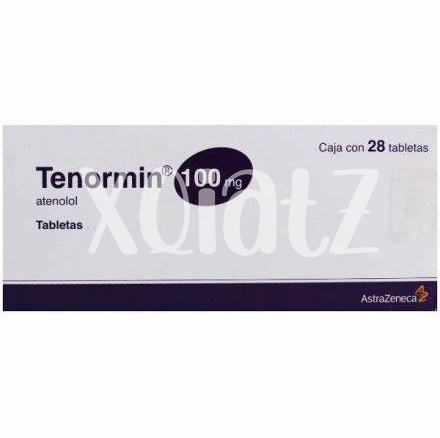
When taking Tenormin, it’s essential to be aware of possible side effects, which can range from mild to more severe. Common side effects include fatigue, dizziness, and cold extremities. Fatigue and dizziness may be managed by adjusting your daily routine, ensuring you get enough rest, and avoiding sudden movements that can worsen dizziness. Cold hands and feet can be managed by dressing warmly and improving circulation through moderate exercise.
In some cases, more serious side effects like shortness of breath, depression, or heart issues can occur. If you experience these, it's crucial to seek medical attention immediately. Keep in close communication with your healthcare provider to manage and mitigate side effects effectively.
Dosage Guidelines: Finding the Right Balance
When it comes to dosing Tenormin, striking the right balance is crucial for achieving optimal results while minimizing potential side effects. Generally prescribed for conditions like hypertension and angina, Tenormin's effectiveness depends largely on individual factors, including age, weight, and overall health.
| Age Group | Initial Dose | Maintenance Dose |
|---|---|---|
| Adults | 50 mg | 50-100 mg |
| Elderly | Lower initial dose | Monitor closely |
It's important to follow your healthcare provider's instructions meticulously. Often, the dose starts low and is gradually increased based on the body's response. This titration process helps in mitigating side effects and ensuring the medication is as effective as possible. Never adjust your Tenormin dosage without consulting your healthcare provider, as abrupt changes can lead to complications. Maintaining open communication with your medical team is key to finding the most effective dose uniquely tailored to you.
Interactions with Other Medications and Substances
When taking Tenormin (Atenolol), it's crucial to be aware of potential interactions with other medications and substances. This beta-blocker can interact with various drugs, altering its effectiveness or increasing side effects. For instance, combining Tenormin with other antihypertensive drugs, like ACE inhibitors or calcium channel blockers, can enhance blood pressure-lowering effects, sometimes excessively. Additionally, nonsteroidal anti-inflammatory drugs (NSAIDs) may reduce the effectiveness of Tenormin, leading to higher blood pressure. It's also advisable to avoid alcohol while on Tenormin, as it can increase dizziness and drowsiness. Always consult your healthcare provider before starting any new medication or supplement to ensure they won't adversely interact with Tenormin.