

 Addyi Myths: Separating Fact from Fiction
Unveiling Addyi: What It Really Is
Addyi, also known as flibanserin, is often discussed amidst a swirl of misconceptions. Unlike what some may believe, it isn't an aphrodisiac or a magic potion that works instantly. Introduced as a groundbreaking solution for premenopausal women, it's specifically designed to enhance sexual desire in those diagnosed with hypoactive sexual desire disorder (HSDD). This condition, characterized by a persistent lack of interest in sexual activities, can have profound effects on one's relationships and quality of life.
To understand its true nature, it's important to note that Addyi operates on neurochemical pathways, aiming to restore balance. Its mechanism is quite similar to certain antidepressants, altering brain chemistry to positively influence mood and desire. Therefore, patience and a structured regimen are key to witnessing its benefits, usually taking several weeks.
| Aspect of Addyi | Description |
|---|---|
| Purpose | Treats hypoactive sexual desire disorder (HSDD) in premenopausal women. |
| Mechanism | Adjusts neurochemical pathways to enhance sexual desire. |
| Timing | Requires several weeks to see noticeable effects, emphasizing patience and consistency. |
Debunking the Myth of Instant Results
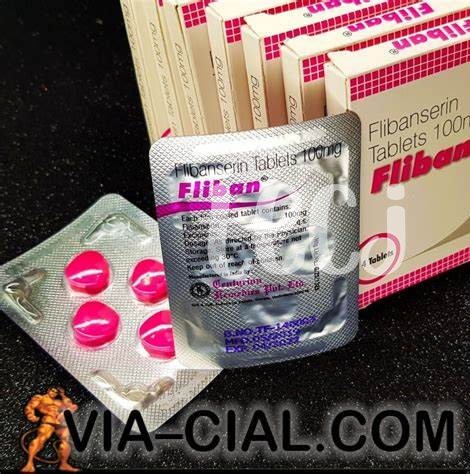
Many people mistakenly believe that Addyi works overnight, conjuring images of an immediate, dramatic shift in desire. However, it's crucial to understand that the medication is designed to gradually enhance sexual interest over time. Unlike some treatments, Addyi needs to be taken daily due to its cumulative effect. Patience is key, as it may take weeks before significant changes are noticed.
This gradual process can be frustrating for those expecting quick fixes, but the gradual progression is aligned with how Addyi modifies neurotransmitter action in the brain. Women who see improvements usually report those changes after consistent, long-term use. Thus, the myth of waking up with a newfound libido is just that—a myth—underscoring the importance of setting realistic expectations for users of Addyi.
Understanding How Addyi Is Prescribed
Navigating the prescription process for Addyi involves understanding the criteria that healthcare professionals consider. Unlike other medications, Addyi offers a nuanced approach to managing HSDD—Hypoactive Sexual Desire Disorder—in premenopausal women. It is prescribed after thoughtful evaluation, focusing on diagnosing HSDD accurately, ensuring the patient isn't suffering from other medical or psychological conditions that might be contributing to low libido.
When Addyi is considered a suitable treatment, doctors often discuss the importance of adherence and potential interactions, underscoring daily consumption at nighttime due to dizziness as a side effect. A trial period allows both doctor and patient to assess its effectiveness, ensuring a tailored fit for the individual’s needs.
Side Effects: Separating Stories from Statistics
In the world of pharmaceuticals, stories about side effects can often overshadow the statistics. With Addyi, tales of dramatic side effects occasionally circulate, yet the reality lies within clinical study data. Most users report minimal side effects like dizziness and fatigue, with severe reactions being rare. Understanding the statistical rarity of these adverse effects can provide a clearer perspective. These findings reassure potential users, emphasizing that while caution is warranted, the stories may not reflect the typical Addyi experience. Informed choices hinge on separating these stories from the real data.
Who Can Benefit: Addressing Misunderstandings
Addyi, often shrouded in misconceptions, is not a one-size-fits-all solution. While it is primarily prescribed for premenopausal women experiencing hypoactive sexual desire disorder (HSDD), its benefits extend only to those who meet specific medical criteria. This medication isn't meant for enhancing desire in individuals with naturally varying libido levels; it's specifically targeted at those who experience distress due to chronically low sexual desire that is unlinked to other conditions or medications.
Understanding who genuinely benefits from Addyi requires distinguishing between those with HSDD and those with temporary drops in libido due to lifestyle factors. It's crucial to consult healthcare providers for an accurate diagnosis.
```html
| Criteria | Description |
|---|---|
| Target Group | Premenopausal women with HSDD |
| Exclusions | Conditions unlinked to other causes |
Addyi and Alcohol: a Comprehensive Explanation
Imagine you're enjoying a nice dinner and contemplating whether you can have a glass of wine with Addyi. The interplay between Addyi, a medication designed to boost sexual desire in premenopausal women, and alcohol is crucial. Unlike many other medications, Addyi is uniquely affected by alcohol consumption. This interaction can lead to unexpected challenges, such as a significant drop in blood pressure, dizziness, or fainting, potentially escalating to severe consequences.
Most cautionary tales stem from statistics showing real risks backed by scientific data. If you're drinking even moderately, it’s advisable to completely steer clear of alcohol while taking Addyi to ensure both the medication's efficacy and your safety remain uncompromised. Understanding this dynamic is key to avoiding preventable hazards and achieving desired outcomes without complications.