

 Global Perspectives on Cytotec Access and Regulation
Understanding Cytotec: Uses and Medical Importance
Cytotec, known generically as misoprostol, is a vital medication with versatile applications in modern healthcare. Originally introduced to treat gastric ulcers, its utility extends to obstetrics and gynecology, where it's used to manage postpartum hemorrhage and induce labor in certain medical conditions. Its significance in reproductive health, particularly in contexts lacking access to modern medical facilities, showcases its importance. Healthcare professionals prioritize its efficacy and versatility, while ensuring patients understand the proper use to maximize benefits and minimize potential risks.
| Medical Use | Primary Benefits |
|---|---|
| Gastric Ulcers | Protects stomach lining, reduces acid secretion |
| Obstetrics | Induces labor, treats postpartum hemorrhage |
Despite its benefits, Cytotec’s use underscores the need for informed medical guidance to prevent misuse and ensure optimal outcomes.
Exploration of Global Regulatory Frameworks on Cytotec

The regulatory landscape for Cytotec varies dramatically across the globe, reflecting diverse societal values and medical needs. In some countries, strict regulations govern its distribution, limiting access strictly to medical professionals to ensure safe usage. Other regions have adopted more lenient approaches, allowing over-the-counter sales to address widespread healthcare access issues.
These regulatory discrepancies often lead to a patchwork of availability, where Cytotec is easily accessible in some areas but heavily restricted or even banned in others. This regulatory diversity highlights the challenges of creating consistent safety standards. It prompts ongoing debates about balancing safety concerns with the necessity of ensuring adequate access to essential medications like Cytotec.
Access Challenges: a Country-by-country Analysis
Cytotec, a medication primarily known for treating ulcers and inducing labor, is under varying regulatory scrutiny worldwide, leading to stark differences in accessibility. In countries like Brazil, stringent regulations have created a black market, making it a target for illegal distribution despite its medical benefits. Meanwhile, in the United States, while FDA-approved for ulcer treatment, its off-label use for labor induction is common, reflecting a lenient regulatory environment that encourages its availability through healthcare providers.
In contrast, some African nations face significant hurdles in accessing Cytotec due to limited healthcare infrastructure and tight regulatory controls, often resulting in unsafe usage practices. Moreover, in nations like India, the availability is more extensive, but misinformation and lack of regulatory clarity contribute to misuse. These disparities highlight not only regulatory challenges but also underline the necessity for a global consensus to ensure safe and equitable access to Cytotec.
The Role of Advocacy Groups in Shaping Access
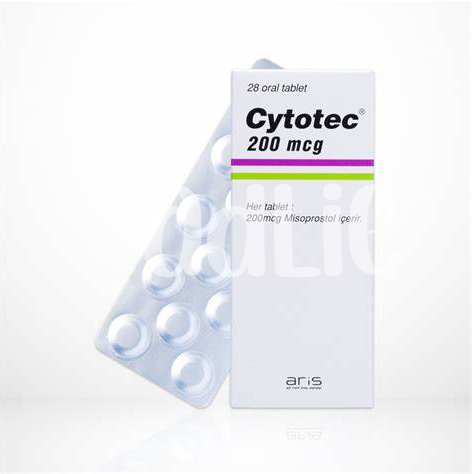
Advocacy groups play a pivotal role in influencing policy and public opinion regarding Cytotec access. These organizations raise awareness about its essential medical applications, lobbying for equitable distribution, particularly in regions where access is restricted due to strict regulations or lack of infrastructure. By disseminating evidence-based information and facilitating discussions among policymakers, healthcare professionals, and the public, advocacy groups aim to dismantle barriers, ensuring that Cytotec is safely and effectively integrated into reproductive healthcare, ultimately fostering a more informed, supportive environment for global health equity.
Unintended Consequences: Illegal and Unsafe Uses of Cytotec
Cytotec, a medication originally developed for stomach ulcers, has become a focal point in the realm of reproductive health due to its use in medical abortions. In countries where abortion access is restricted, individuals are often driven to obtain Cytotec through unregulated channels. This circumvents legal pathways, posing significant health risks due to the lack of medical supervision. As a result, complications such as incomplete abortions and severe hemorrhaging may arise.
| Risks Associated with Illegal Cytotec Use | |------------------------------------------| | Incomplete Abortions | | Severe Hemorrhaging | | Lack of Medical Supervision |
Moreover, the illegal use of Cytotec contributes to a burgeoning black market. This undermines public health initiatives and puts individuals at risk. The absence of regulatory oversight not only results in inconsistent dosages but also potentially exposes users to counterfeit products. Importantly, this exposes the urgent need for comprehensive education and safer access pathways globally.
Communication and collaboration among healthcare providers, governments, and communities are essential in addressing these issues. By fostering informed discussions and examining successful policy implementations worldwide, stakeholders can work towards reducing the risks associated with illegal Cytotec use. Effective solutions will require innovative, culturally sensitive approaches that ensure safe and equitable access to reproductive health support.
Innovations in Policy: Moving Towards Global Solutions
To address the global challenge of Cytotec access, policymakers are exploring innovative regulatory measures that harmonize local laws with international standards. Countries like Canada and Australia are leading by example, showcasing how collaborative policy frameworks can facilitate safe and equitable distribution. Emerging digital health technologies also present opportunities for improved monitoring and education on Cytotec use, ensuring compliance with medical guidelines. By fostering international cooperation and embracing technology, a promising pathway is forged towards safer and more consistent access across diverse regions.