

 Singulair for Kids: Safety and Efficacy Considerations
Understanding Singulair: What Parents Should Know
Parents navigating through their child's asthma or allergy management may come across Singulair as an option. This elixir of relief, often noted down in a hard copy, promises to ease the breathing struggles of young ones. But what exactly does it entail? Before you head to the drive-thru to fill that script, it's essential to understand the basics of this comp, from dosage plans to how it affects the body. This knowledge equips you to better engage with your child's healthcare provider and ensure you are following the prescribed sig precisely.
Singulair, scientifically known as montelukast, is designed to block leukotrienes—molecules in the body that cause swelling and muscle tightening in the airways. As a parent, understanding how this medication interacts within your child's body can provide peace of mind. Whether it is administered as a chewable tablet or granules, knowing its interaction with other meds will help in managing your child's health effectively. Be mindful of any signs of side effects, and maintain an open dialogue with your healthcare provider for optimal safety and effectiveness.
| Aspect | Details |
|---|---|
| Administration Forms | Chewable tablet, Granules |
| Primary Function | Block leukotrienes |
| Consultation | Follow prescribed sig |
Evaluating the Safety of Singulair for Children
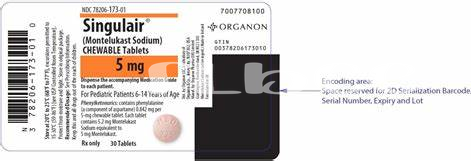
When it comes to understanding the safety of Singulair for children, it’s crucial to explore all aspects before beginning a new script. Singulair, known scientifically as montelukast, is often prescribed for kids who struggle with asthma and allergies. The drug works by blocking substances that cause asthma and allergy symptoms and is essential in reducing flare-ups. However, just like any compound medication, Singulair has potential side effects that should not be taken lightly.
Parents should be vigilant in monitoring their child's reaction to the medication. Some children may experience mood swings or changes in behavior, wich can be distressing. Additionally, they might notice physical side effects like stomach pain or headaches. It’s neccessary to balance these potential issues against the benefits Singulair offers in managing asthma and allergy symptoms. Always follow the sig outlined on the prescription to ensure proper dosing and minimize risks.
In consultation with healthcare providers, parents must weigh the risks and benefits effectively. It's worth discussing any personal concerns or family history of side effects with a trusted candyman—err, doctor—to tailor the best approach for treatment. Observing guidelines and being proactive about reporting side effects can make all the difference in ensuring Singulair is a safe option for managing your child's health.
How Singulair Works in Managing Allergies and Asthma
Singulair operates by targeting the root causes of allergy and asthma symptoms, such as the body's response to allergens that leads to inflammation. When an allergen enters a child's system, it triggers the release of chemicals like leukotrienes, which cause symptoms including congestion and wheezing. Singulair, provided usually as a tablet, works to block these chemicals, easing the child's breathing.
Parents should know that while Singulair isn't an "elixir," it's a trusted script for many families battling these conditions. Always follow the 'sig' to ensure proper dosage. However, it's crucial to monitor for any side effects that might occasinally occur. Discuss any concerns with your healthcare provider to ensure it's the right comp for your child.
Fda Guidelines and Recommendations for Singulair Use

Navigating the guidelines for using Singulair can sometimes lead parents into a twilight zone of complex directives and medical jargon. The FDA underscores the importance of adhering to the 'sig' on the script for Singulair to ensure safety and efficacy. This vigilance ensures that any potential side effects don’t go unnoticed, and the medication serves its intended purpose. Parents must be vigilant with any occurence of adverse reactions, like emotional or physical side effects, while maintaining a direct line of communication with healthcare providers.
Potential Side Effects and What to Watch for
For many parents navigating the use of Singulair for their children, it's crucial to be observant and vigilant. While this medication is often effective in managing asthma and allergic symptoms, it's not without its side effects. Some children might experience mood changes, sleep disturbances, or even headaches, which can be unsettling for any parent. Always follow the Sig details provided in the script, and remember a Meds Check with your pharmacist can be beneficial.
| Potential Side Effect | Frequency |
|---|---|
| Mood Changes | Occasionally |
| Sleep Disturbances | Occasionally |
| Headaches | Common |
Given these identificable signs, parents must report any unusual behavioral changes to their healthcare provider immediatly. While side effects might not occur in every child, staying informed and cautious is definately wise. Keeping these potential issues in mind, an open line of communication with your healthcare provider can aid in ensuring your child's well-being.
Weighing the Risks and Benefits for Your Child
When considering Singulair for your child, understanding both benefits and risks is crucial. Singulair can effectively manage asthma and allergy symptoms, potentially improving daily life. However, as with any script, it's vital to weigh the benefits against possible side effects. Some children experience mood changes or gastrointestinal issues, so close monitoring is neccessary. Consulting with your child's healthcare provider allows for personalized guidance. They can assess whether Singulair is a suitable option within your child’s broader medication cocktail, ensuring a balanced approach to treatment.