

 Strattera Vs. Adderall: Comparing Adhd Medications
Fundamental Differences: Strattera Vs Adderall
Strattera and Adderall are both prescribed for ADHD but differ significantly in their composition and how they function. Strattera, a non-stimulant, targets norepinephrine reuptake inhibitors to enhance focus and attention without the "speed" properties typical of amphetamines. Adderall, on the other hand, is a stimulant and a compound medication, combining amphetamine salts to boost dopamine and norepinephrine levels rapidly for immediate impact.
A crucial distinction between these ADHD medications is their onset of action. Strattera may take several weeks to show full effectiveness, making it less suitable for those needing fast symptom relief. Adderall delivers a quicker response, often providing noticeable improvements within hours, making it a preferred choice for many looking for an immediate solution.
The delivery mechanisms also vary, impacting the practical use and experience of each drug. Strattera comes in a capsule form that maintains a steady release of medication throughout the day, avoiding the peaks and valleys common with stimulants. Adderall is available in both immediate-release and extended-release forms, offering flexibility in managing different needs and routines. This makes Adderall a more versatile option in terms of sig and dosage adjustments.
```html
| Feature | Strattera | Adderall |
|---|---|---|
| Type | Non-stimulant | Stimulant |
| Onset of Action | Weeks | Hours |
| Form | Capsule | Immediate and Extended-release |
Mechanism of Action: How These Medications Work
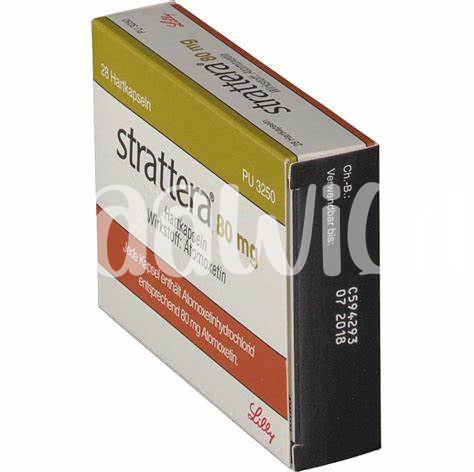
Strattera operates as a selective norepinephrine reuptake inhibitor (NRI), which means it enhances the levels of norepinephrine, a neurotransmitter essential for attention and focus. By blocking the reabsorption of norepinephrine in the brain, Strattera helps to increase the amount available for neuron communication, gradually improving symptoms of ADHD. On the other hand, Adderall is a combination of amphetamine salts known as "speed" in street slang, working as a stimulant that influences both dopamine and norepinephrine levels. This comp provides a more immediate "kick," often resulting in rapid symptom relief.
While Strattera is a non-stimulant and typically takes a few weeks to produce noticeable effects, Adderall’s stimulant properties yield faster results, making it more suited for situations requiring stat intervention. Understanding these mechanisms is crucial for tailoring treatment plans to individual needs, ensuring efficacy and minimizing side effects.
Effectiveness for Adhd: a Comparative Analysis
When evaluating the effectiveness of Strattera and Adderall for ADHD, several factors come into play. Adderall, a stimulant medication, generally offers rapid symptom relief and is often considered more potent for immediate effects. It has become a staple script in ADHD treatment due to its compelling efficacy, quickly bringing focus and reducing hyperactivity. Conversely, Strattera, a non-stimulant, takes a longer duration to demonstrate benefits but provides a steady, consistent impact over time.
Clinical studies show that Adderall users often report pronounced improvements in attention and focus relatively quickly, a vital aspect in urgent or severe cases. However, Strattera's benefits shine brighter in scenarios requiring a non-stimulant approach, minimizing risks like heightened anxiety or potential abuse in pharm party settings. Ultimately, the best choice depends on individual patient needs and specific medical histories. Balancing efficacy, side effects, and practicality remains key in selecting the right compound medication for ADHD management.
Side Effects and Potential Risks
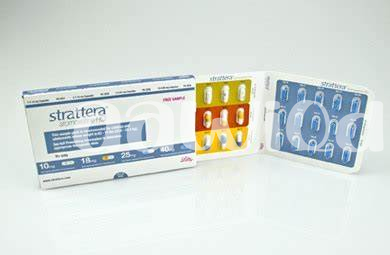
Adderall, a stimulant, often leads to a higher incidence of common side effects such as increased heart rate, insomnia, and irritability. It’s not uncommon for users to report a "hangover" effect as the medication wears off. On the other hand, Strattera, a non-stimulant, can also have its drawbacks, including potential liver damage and gastrointestinal issues, highlighted by the need for a specific "Rx" monitoring schedule. Notably, Strattera's side effects may take longer to present themselves, making it crucial for users to strictly follow the "Sig" provided by healthcare professionals to avoid complications.
Usage in Specific Age Groups: Children Vs Adults
When considering ADHD medication for various age groups, there are distinct differences in their application. Strattera is often preferred for children due to its non-stimulant nature, which reduces the risk of becoming a "Candyman" drug. However, the "Script" directions (Sig) must be closely followed to maximize benefits and minimize side effects. Adults, on the other hand, might find Strattera less effective compared to stimulant alternatives like Adderall.
Both medications may come with different dosage requirements, often adjusted via a process called titration. The cost of these medications can also vary, with generic options available for those looking to manage expenses. Practical considerations such as availability and insurance coverage should also be examined meticulously.
| Age Group | Preferred Medication | Considerations |
|---|---|---|
| Children | Strattera | Non-stimulant, follow Sig directions closely |
| Adults | Adderall | May require titration; consider generic options |
Ultimately, choosing the right medication for ADHD treatment is a nuanced process that involves assessing speed of action, side effects, and practicality for each age group. Consulting healthcare providers ensures that the choice aligns with individual needs, thus achieving the best therapeutic outcomes.
Practical Considerations: Dosage, Costs, and Availability
When considering Strattera and Adderall, practical aspects like dosage, costs, and availability are crucial. Strattera typically requires a stable doseline, making it less prone to fluctuations and reducing the "pill burden." On the other hand, Adderall often mandates precise titration, requiring careful monitoring by the prescriber to prevent "Sticker Shock" from unexpected side effects.
Costs can also vary significantly. Strattera, often shelved as a brand name, might prompt some to suffer from "label sticker shock," while Adderall's generics offer more budget-friendly options. Availability is generally dependable for both, but for those who frequent the "Drive-Thru," it’s always wise to call ahead and ensure your "script" is in stock.