

 Natural Alternatives to Mebendazole: Are They Effective?
Understanding Mebendazole: Uses and Limitations
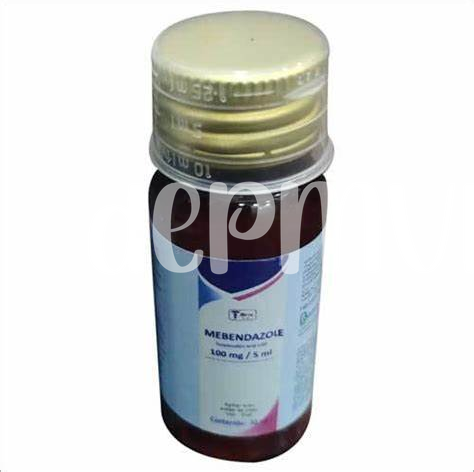
Mebendazole stands as a critical agent in the battle against parasitic infections, thanks to its efficacy in targeting worms and other parasites. Commonly administered in tablet form, this compound medication disrupts the life cycle of parasites, hindering their ability to absorb glucose and ultimately leading to their demise. However, a pivotal limitation of Mebendazole is its scope, as it primarily addresses a specific range of intestinal infestations, leaving other types undeterred. Additionally, some individuals may experience side effects, prompting a careful evaluation of its usage. Patients may encounter headache, dizziness, or even more severe allergic reactions, making it essential to follow the pharmacist’s directions on a prescription closely.
| **Use** | **Limitations** | |------------------|-------------------------------------------------------| | Antiparasitic action | Primarily addresses intestinal parasites | | Disrupts parasite glucose absorption | Possible side effects include headache and dizziness |
While Mebendazole is a trusted script for many, exploring natural alternatives can be beneficial, especially for those seeking preventive measures or supplemental options.
Exploring Natural Alternatives: What Are They?
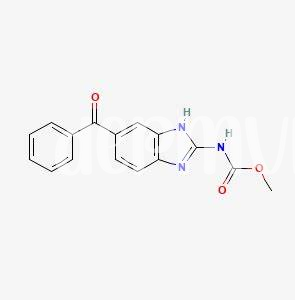
In the quest to replace mebendazole with natural options, herbal remedies stand out as intriguing alternatives. For centuries, herbs like wormwood, black walnut, and garlic have been celebrated for their antiparasitic properties. These "magic mouthwash" elixirs are often backed by historical use and anecdotal evidence. However, it's crucial to note that effectiveness and safety can vary significantly.
Beyond herbs, certain foods and diets can play supportive roles. Nutrient-rich diets bolster the immune system, creating a less inviting environment for parasites. Think of naturally antimicrobial foods like pumpkin seeds and coconut oil as your dietary arsenal. Lifestyle adjustments, akin to Sig from a script, emphasize hygiene and environmental awareness to prevent infestations, ensuring these natural methods provide a holistic defense.
Herbal Remedies: Nature’s Potential Antiparasitics
In recent years, there's been growing interest in finding natural alternatives to mebendazole, traditionally used in dealing with parasitic infections. While some may think of a pharm party when considering unconventional remedies, nature offers its own comp of compounds for treating parasites. For instance, wormwood and black walnut hulls have been studied for their potential antiparasitic properties. Infused traditionally as elixirs, these herbs have a rich history in folk medicine.
Additionally, clove and garlic possess promising qualities, potentially rivaling synthetic drug treatments like mebendazole. These herbs aren’t just on the counter supplements; they're packed with potent compounds that can enhance the body's ability to fend off unwanted invaders.
Diet and Lifestyle: Strengthening Your Defense Naturally
Imagine fortifying your body with wholesome strategies that empower you to resist parasitic infections as effectively as pharmaceutical solutions. By adopting a nutrient-rich diet laced with natural elixirs and integrating active lifestyle changes, your body's defenses become as fortified as a clinic's Vault against intruders. Foods rich in antioxidants, like garlic, pumpkin seeds, and pomegranates, function as natural compounds, strengthening immune resilience. Combine these with regular physical activity and mindfulness practices, and you have a holistic cocktail serving as a formidable force against parasites, minus the pill burden.
Scientific Insights: Evidence Supporting Natural Methods
While mebendazole is a standard Rx option for treating parasitic infections, scientific research is uncovering the potential of natural remedies. For instance, studies show that certain herbs have compounds effective against parasites. Clove, renowned for its natural elixir properties, contains eugenol, which may inhibit parasite development. Additionally, pumpkin seeds have emerged as a comp worth considering for their potential antiparasitic benefits. This research opens new doors for those seeking alternatives.
| Alternative | Active Compound | Potential Effectiveness |
|---|---|---|
| Clove | Eugenol | Inhibits parasite growth |
| Pumpkin Seeds | Cucurbitacin | Potential antiparasitic action |
Practical Advice: Incorporating Natural Alternatives Safely
Navigating the world of natural alternatives can feel like a journey into "Pharm Land," making it essential to prioritize safe practices. Begin by consulting a healthcare professional for personalized "Sig" — crucial for understanding how these alternatives might interact with current medications. It's tempting to play the "Pharm Party" game and test out various remedies, but remember to introduce them gradially to your routine, monitoring for any adverse reactions. Consistency is key when cultivating a stronger defense, so ensure you're sticking to your chosen natural regimen.