

 Trazodone for Insomnia: Effective Aid or Overhyped?
Understanding Trazodone: Origins and Original Uses
In the realm of antidepressants, Trazodone stands out with a unique script beyond its original purpose. Introduced in the 1960s, this once-primary antidepressant has journeyed into the realm of insomnia relief. Created as a comp, Trazodone targets neurotransmitters, aiming to improve emotional states. Yet, its sedative side effects unexpectedly positioned it as a potential sleep aid.
Trazodone primarily works by modulating serotonin, a neurotransmitter in the brain. By acting as an antagonist and reuptake inhibitor, it helps stabilize mood and promote a sense of well-being. This dual action enhances its candidacy for addressing sleep disturbances, where serotonin regulation plays a crucial role.
Trazodone is distinct from zombie pills like strong sedatives. While it has proven beneficial for many seeking peaceful rest, it's crucial to understand that its efficacy varies. Therefore, patients need to follow the sig and consult healthcare providers before making any medication changes.
The evolution from its antidepressant origins to treating insomnia reflects a broader trend seen in the pharm land, where drugs often acquire new wings, sometimes unexpectedly, due to their associated effects and user feedback.
How Trazodone Affects Sleep and Insomnia
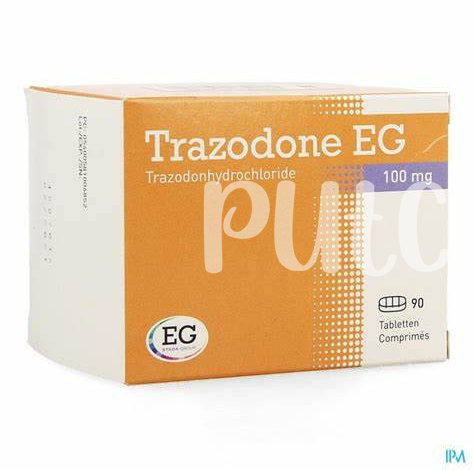
Trazodone, originally introduced as an antidepressant, has found a surprising second life as a sleep aid, particularly effective for those struggling with insomnia. This script's secret lies in its ability to influence neurotransmitters, primarily serotonin, fostering a state of relaxation and sleepiness, without the 'hangover' common with other sleep medications. As your body responds to the compound's chemical cues, sleep can be more easily reached, making it a popular choice among doctors looking to offer non-addictive solutions for sleep disorders.
For individuals who have traversed the challenging landscape of insomnia, the elixir-like effect of trazodone can be a welcome relief. Though not initially crafted for insomnia, its sedative qualities have led many to call it a "zombie pill," as it lulls users into a restful slumber. As with any medication, the sig for tracodone use should be followed closely to avoid overuse.
Pros: Benefits and Effectiveness for Sleep Disorders
Trazodone has emerged as a sweet Elixir for those struggling with sleep disorders. Originally designed as an antidepressant, users have found it particularly beneficial for its sedative properties, which promote restful sleep. Unlike other compounds, trazodone doesn’t typically lead to addiction, making it an attractive option for those wary of traditional Happy Pills. Its gentle approach means that patients can often use it without needing immediate adjustments, providing a consistent companion for better sleep. For those on a complex script, such stability can be a significant relief.
Cons: Potential Side Effects and Risks

Trazodone, initially a pioneering antidepressant, has found a secondary role in sleep management. Unfortunately, this off-label use isn't without its challenges. The narrative of trazodone is marked by a suite of potential side effects. Some users report drowsiness that lingers beyond intended sleep periods, creating a form of "pill hangover" that can impair daily function. Moreover, among the varied feedback, a concerning thread is the alteration in sleep architecture, leaving some in a zombie-like state. Risks extend to more serious complications, like priapism, necessitating swift medical attention. For potential users, it's wise to weigh these risks against the reported sleep benefits.
Comparing Trazodone to Other Sleep Aids
Trazodone stands out in the world of sleep aids as a medication initially developed as an antidepressant but has gained fame for its off-label use in treating insomnia. Unlike traditional sedatives, often dubbed "Zombie Pills," Trazodone is not habit-forming and doesn't lead to a groggy "hangover" the next morning. However, when compared to OTC options, it comes with a script, and its effectiveness can potentially be compromised by the user's unique biochemistry.
| Aspect | Trazodone | Common Sleep Aids |
|---|---|---|
| Type | Prescription (Rx) | OTC or Prescription |
| Dependency Risk | Low | Varies (often higher) |
| Side Effects | Moderate | Varies |
What Patients Say: Trazodone User Experiences
Exploring patient testimonials on trazodone often reveals a variety of experiences. Many individuals appreciate its effectiveness in improving sleep quality, often describing it as a "miracle elixir" for those long, sleepless nights. Users tend to highlight the ease of obtaining a script for trazodone from their healthcare providers, reinforcing its position as a trusted solution within the realm of sleep aids. There's a sentiment that the magic happens stat as the medication kicks in, ushering users into a restful state.
On the flip side, some patients mention unwelcome hangover effects that greet them the following day, hinting at a possible trade-off between improved sleep and waking grogginess. Despite these side effects, others find solace in the low pill burden associated with trazodone compared to other treatments for insomnia. Overall, experiences vary, but many find trazodone's impact on sleep worth exploring.