

 Vidalista Dosage Guide: Finding What’s Right for You
Understanding Vidalista: What It Is and How It Works
Vidalista has transformed the way many people manage erectile dysfunction, offering a simple yet effective solution. At its core, Vidalista contains the active ingredient Tadalafil, which belongs to a class of medications called PDE5 inhibitors. Its unique mode of action helps increase blood flow to the penis, enabling stronger and longer-lasting erections in response to sexual stimulation.
Unlike some alternatives, Vidalista can remain effective for up to 36 hours, earning it the nickname “the weekend pill.” This extended window provides greater flexibility and spontaneity, which many users appreciate. To maximize results, it is important to understand how the timing and dosage impact individual experiences.
Here is a quick overview of Vidalista’s key features:
| Component | Main Benefit | Duration |
|---|---|---|
| Tadalafil | Improved blood flow | Up to 36 hours |
Common Vidalista Dosages and Their Uses

When exploring vidalista, understanding the spectrum of available dosages is essential to achieving effective results. Most commonly, you’ll encounter tablets in strengths such as 2.5mg, 5mg, 10mg, and 20mg. For some, a low daily dose like 2.5mg or 5mg supports ongoing intimacy without the need for advance planning. Meanwhile, those who prefer on-demand use often opt for 10mg or 20mg before anticipated activity, allowing flexibility. Each strength is designed to address varying levels of erectile dysfunction, ensuring adaptability to individual needs. The diversity in dose sizes means there’s an option suitable for new users as well as those who require a stronger effect.
Matching Dosage to Your Unique Health Profile
Each person’s journey with vidalista is unique, shaped by factors like age, weight, and overall health. For example, someone with underlying heart conditions or those taking other medications may require a lower starting dose. Your lifestyle, such as frequency of intimacy or daily routines, can also influence the ideal amount.
Open communication with your healthcare provider is essential to tailor vidalista for your needs. They’ll take your medical history into account and may ask about specific symptoms and responses, adjusting the medication accordingly.
Never assume what works for someone else will work for you. Careful personalization helps maximize effectiveness while minimizing the risk of side effects, ensuring your experience with vidalista is safe and rewarding.
Mistakes to Avoid When Adjusting Your Dose
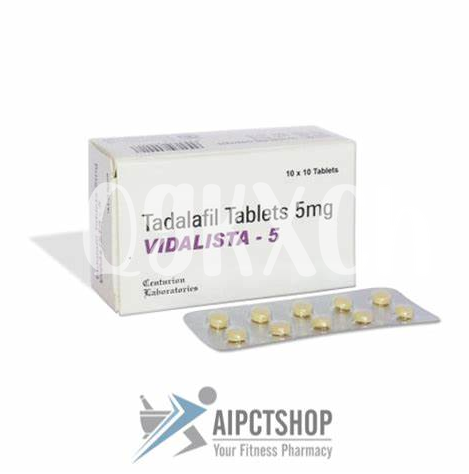
Many people believe that simply increasing their Vidalista dose will instantly enhance results, but this approach can lead to unexpected side effects or diminished effectiveness over time. Gradually changing dosages on your own, or skipping prescribed guidance, often causes more harm than good.
A common misstep is mixing Vidalista with alcohol or other medications without consulting a healthcare provider, which may increase health risks. It’s equally important not to double your dose if you miss one, as this can result in an unsafe buildup. Carefully adhering to your prescribed regimen is essential for safety and achieving the best possible results with Vidalista.
When to Consult Your Doctor about Vidalista
Realizing when it’s time to bring up your Vidalista experience with your doctor isn’t always obvious, but it can make all the difference in your treatment’s success. Some people notice subtle changes—perhaps a less effective response to their usual dose or unexpected side effects like headaches or dizziness. Others might be dealing with new health conditions or medications that can affect how Vidalista works in their system. Rather than guessing, having an open conversation with your healthcare provider helps you find answers tailored to your situation.
It’s especially important to seek advice if you’re considering increasing your dosage or if symptoms persist despite following instructions. Your doctor can run assessments, evaluate potential drug interactions, and ensure Vidalista remains both safe and effective for you—maximizing benefits while minimizing risks.
| When to Talk to Your Doctor | Why It Matters |
|---|---|
| New health conditions arise | May change how Vidalista interacts with your body |
| Side effects develop or worsen | Could indicate need for a different dose or adjustment |
| Current dosage isn’t effective | Helps find the most suitable and safe Vidalista dosage |
Signs You May Need a Different Dosage
Sometimes, your body will give you subtle hints that your current Vidalista dosage isn’t quite right. For some people, persistent side effects like headaches, facial flushing, or indigestion may show up and linger. Others might notice that the medication simply isn’t as effective as expected, leaving them unsatisfied with its results. Everyone responds differently—so it’s important to listen closely to your body and monitor how you feel each time you take Vidalista.
Unexpected changes such as an irregular heartbeat, prolonged erections, or increased sensitivity to side effects can signal it’s time to reconsider your dosage. Open communication with your healthcare provider ensures you receive the safest and most effective experience. For further reading, see resources from the National Center for Biotechnology Information and the U.S. Food & Drug Administration.