

 Topamax Weight Loss: Myths Versus Facts
How Topamax Affects Appetite and Calorie Intake
I remember when a friend started on the drug and neighbors whispered about sudden slimming; the tale felt like magic until I dug into details. Anecdotes often emphasize appetite shifts, but they omit calorie math and behavioral context.
Clinical studies suggest modest appetite suppression for some people; effects are variable and short-lived for many.
| Effect | Typical-Change |
|---|---|
| Appetite | Decrease |
| Calories | Small-drop |
Weight loss seen in reports can reflect side effects like nausea or taste change that reduce eating, not true metabolic fat loss. Clinicians should seperate weight metrics from hydration and muscle changes.
If someone sees weight change, they should track calories, activity, and side effects over several weeks and consult a provider. Diet, sleep, hydration and moderate Excercise remain cornerstones; medication is not a reliable slimming plan. Seek balanced, personalised medical advice.
Separating Anecdotes from Scientific Weight Loss Evidence
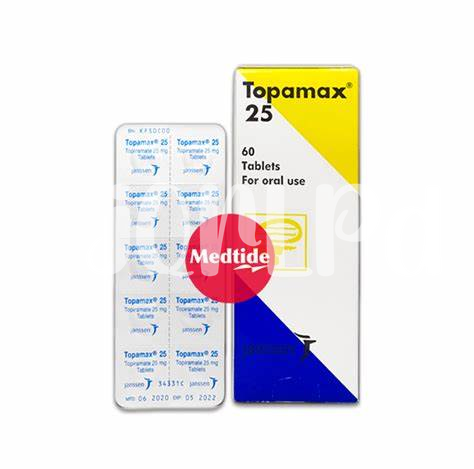
I remember a friend claiming topamax melted pounds overnight, a vivid anecdote that hooked me into research. Personal stories are compelling, but they can reflect many factors — calorie shifts, lifestyle changes, or placebo — not proof. We must Seperate compelling tales from controlled data.
Randomized trials offer better answers: many show modest average weight changes, often tied to dose or concurrent behavior changes. Look for sample size, duration, and whether weight loss was a primary outcome. Clinicians interpret numbers, context, and risk — guiding whether topamax is a reasonable option for an individual.
Side Effects That Might Mimic Weight Reduction
A friend started topamax and celebrated rapid weight change, but the reason wasnt simply fat loss. Nausea, taste shifts and low appetite often drive fewer calories, not healthier habits.
Other effects like dry mouth, dizziness, or changes in smell can make meals unappealing. Some patients report cognitive fog that reduces activity, and sleep patterns shift, further altering energy balance unintentionally.
Weight dips early might reflect fluid loss or muscle wasting rather than fat reduction. Metabolic rate changes and fewer carbs stored can create an Aparent decrease on clinical scales.
Clinicians should monitor body composition and symptoms; topamax related losses are temporary for some patients. Occassionally symptoms resolve and the scale rebounds, so seek medical guidance for reassurance.
Clinical Trials: What Numbers Really Tell Us
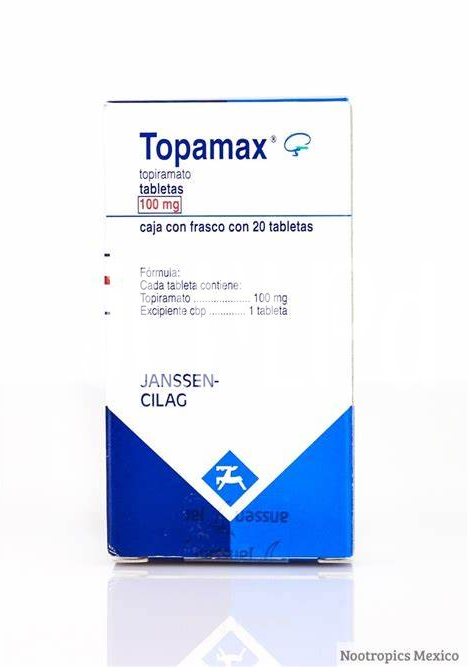
Stories catch attention, but randomized data reveal a different picture: trials show modest average weight changes with topamax, an Aparent heterogeneity caused by dose, duration, and participant demographics and baseline.
Statistical significance doesn't always mean meaningful loss; confidence intervals, effect sizes, and attrition rates matter. Many trials have high dropout rates, making per-protocol and intent-to-treat analyses crucial to interpret results.
Net takeaway: pooled estimates hint at modest weight reduction, but variability and small sample sizes limit certainty. Patients should recieve balanced counseling; clinicians must weigh benefits, risks, and alternative strategies.
Who Might Benefit and Who Should Avoid
Clinicians often weigh benefits and risks, imagining a patient for whom topamax reduces migraine frequency while modestly lowering appetite. Teh ideal candidates are adults with refractory seizures or migraines who need adjunctive therapy and can tolerate cognitive side effects; careful monitoring makes the difference.
Others should avoid when weight loss is the primary goal or when pregnancy, severe depression, or significant memory complaints are present. Discuss priorities, screen for mental health history, and consider alternative plans like diet, exercise, or safer medications under a clinician’s guidance. Individualised decisions matter most.
| When | Action |
|---|---|
| Migraine/Seizure | Consider topamax |
| Pregnancy or depression | Avoid |
Safe Alternatives and Complementary Strategies to Consider
I found simple lifestyle shifts often outperformed quick fixes: balanced meals, consistent sleep, and regular Excercise help steady appetite overall and patience.
Pairing mindful portions with protein-rich snacks curbs cravings; tracking intake builds awareness, and walking after meals aids digestion for metabolism regularly too.
Aquire skills in mindful eating through counseling or apps; sleep and hydration support weight goals while medical oversight guides safe and sustainable choices.
Talk with your clinician before any drug changes; personalized plans and modest goals reduce harm and support long-term success for life. MedlinePlus FDA