

 Abilify Vs Other Antipsychotics: Key Differences
How Abilify’s Mechanism Differs from Other Antipsychotics
Aripiprazole behaves more like a traffic cop than a full blocker: it modulates dopamine activity rather than fully shutting it down.
Classic antipsychotics are D2 antagonists; many newer atypicals also block serotonin 5‑HT2A. Aripiprazole is a partial D2 agonist and 5‑HT1A partial agonist.
That partial agonism produces bidirectional effects: reducing excessive dopamine where it’s high and supporting it where levels are low, potentially improving motivation and cognition.
Clinically this mechanism often means lower prolactin and sedation risks, but different side effect and interaction profiles require individualized choice and ongoing monitoring.
| Target | Action |
|---|---|
| D2 receptor | Partial agonist |
| 5‑HT2A | Antagonist |
Comparing Effectiveness Across Conditions and Symptom Clusters
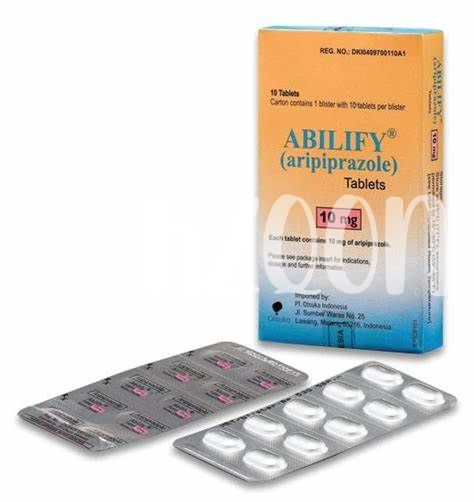
Clinicians often compare abilify to other antipsychotics by clinical trial outcomes and real‑world response patterns. Its partial agonist activity can produce a different profile of symptom control, especially where negative and cognitive symptoms are prominent.
For positive symptoms like hallucinations and delusions, several SGAs show similar efficacy, though individual variation matters. Abilify may reduce activation side effects relative to some agents, influencing adherence and perceived effectiveness in practical everyday life.
Mood stabilization and bipolar depression responses vary; some studies place abilify as beneficial adjunct for depressive phases, while others favor alternatives for rapid control. Treatment history and comorbidities often determine which agent performs best clinically.
Cognitive and negative symptom data remain mixed; abilify's mechanism may help some patients but not all. Shared decision making, measurable symptom tracking, and trialing alternatives when needed are essential to optimizing functional outcomes over time.
Side Effect Profiles: What Sets Abilify Apart
Walking a patient through medication choices often feels like navigating a landscape of trade-offs. abilify is frequently described as having a lower risk of weight gain and metabolic disturbance compared with many other antipsychotics, yet it carries a unique profile: akathisia and restlessness are comparatively more common, and some people report insomnia or gastrointestinal upset.
Clinicians balance these effects against benefits, monitoring for movement disorders, blood sugar and lipid changes, and assessing patient tolerance. Long-term outcomes hinge on personalized surveillance: dose adjustments, switching, or adjunctive treatments can mitigate adverse events while preserving function and quality of life. Patient education about warning signs and lifestyle support often significantly improves adherence and reduces long-term complications for many.
Dosing, Formulations and Long‑acting Options Compared
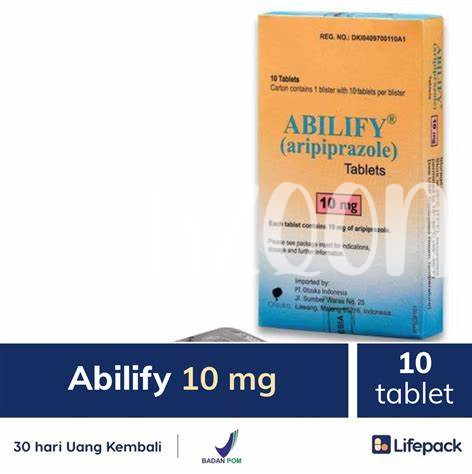
When clinicians tailor treatment, formulation and dose flexibility steer decisions. abilify's oral tablets and solution allow small titration steps, often starting low and adjusting to response; some patients prefer orodispersible forms for swallowing or adherence issues. Compared with many antipsychotics that require larger dose jumps, aripiprazole offers moderate dosing ranges that can reduce abrupt side‑effect shifts.
Injectable options—monthly intramuscular injections—reduce daily pill burden and improve consistency. abilify's monthly maintenance injectable and some prodrugs with less frequent schedules need specific initiation and occasional oral overlap. Others offer biweekly or quarterly injections with different loading, volume and monitoring needs.
Choosing a formulation means weighing adherence, side effects, pharmacokinetics and patient preference. Renal or hepatic impairment, interactions and need for rapid titration shape selection. Discussing convenience, clinic visits and cost with patients usually also determines whether oral or injectable therapy fits long‑term plans.
Interactions, Safety Concerns and Monitoring Needs
When clinicians weigh medication options, they must watch for drug interactions and specific safety signals. Abilify’s partial agonist profile reduces some risks (like metabolic weight gain) but introduces others such as akathisia and impulse control changes. Combining abilify with strong CYP2D6 or CYP3A4 inhibitors alters levels, so reconciliation of prescriptions and supplements is essential.
Baseline monitoring: weight, fasting lipids, glucose, movement scales and blood counts help catch problems early. For elderly patients or those with cardiovascular or seizure histories, dose adjustments and ECG checks may be prudent. Clear communication with patients about side effects, emergency signs, and adherence simplifies term follow up and supports safer outcomes. Special attention is needed during pregnancy or substance use.
| Test | Typical Frequency |
|---|---|
| Weight/BMI | Baseline, monthly ×3, then quarterly |
| Fasting lipids/glucose | Baseline and annually (or sooner if changes) |
| ECG | Baseline if cardiac risk, repeat as indicated |
Choosing between Abilify and Alternatives: Personalized Factors
Imagine a clinician and patient weighing options: symptom pattern, prior medication response, metabolic risk, comorbidities and potential drug interactions guide the choice. Abilify’s partial agonism and lower sedation may suit someone with negative symptoms or daytime functioning needs, whereas other agents might be chosen for robust antipsychotic potency.
Patient preferences about side‑effect tradeoffs, adherence likelihood, route (oral versus LAI), pregnancy plans, cost and monitoring capacity tip the decision. Shared decision‑making, trial duration and close follow‑up ensure the selected antipsychotic matches clinical goals and life context and personal recovery priorities too.