

 Microdosing Modafinil: Pros, Cons, Evidence Review
Brain Effects of Low Dose Wakefulness Agents
Low doses can subtly shift brain chemistry, nudging networks toward alert, focused states without overt stimulation. Users describe clearer thinking and faster information processing, often without the jitter common to stronger stimulants.
At low exposure, wakefulness agents interact with dopamine, norepinephrine and orexin pathways, refining signal to noise rather than flooding circuits. This can enhance task persistence and reduce lapses, particularly on demanding cognitive workloads.
Subjective improvements are common in short trials and anecdotal reports, but objective gains vary by task and baseline ability. Small doses may help those with sleep debt or ADHD more than well-rested high performers.
| Target | Typical effect |
|---|---|
| Dopamine | Motivation focus |
| Orexin | Wakefulness |
| Norepinephrine | Vigilance arousal |
| Net | Improved signal to noise |
Potential Short Term Benefits from Small Daily Doses
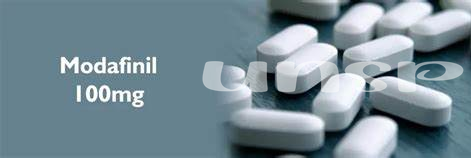
On days when deadlines pile up, a low daily dose can feel like a gentle nudge rather than a shove: modafinil often produces clearer focus, steadier wakefulness, and fewer lapses in attention without the jittery overstimulation some stimulants cause. Users report improved task persistence, easier transition into deep work, and a sense of controlled alertness that supports longer periods of productive concentration.
Clinically measurable gains include faster reaction times and reduced subjective fatigue, though effects vary with baseline sleep, dose, and task. Short-term use can sharpen working memory and executive function in some individuals, but monitoring for headaches, insomnia, or tolerance is wise; start small, track effects, and prioritize restorative sleep alongside any pharmacological aid.
Known and Unknown Long Term Safety Questions
After months of low-dose experimentation, some users describe clearer focus with few immediate side effects, but the brain's slow adaptations are harder to perceive. Animal studies and limited human follow-ups hint at potential alterations in sleep architecture, mood regulation, and dopamine signaling after chronic exposure to modafinil, yet causality and dose thresholds remain unsettled.
Practical safety questions center on whether small daily dosing causes tolerance, hidden cardiovascular strain, or subtle cognitive trade-offs over years. Large-scale randomized trials are lacking, and observational reports suffer selection bias; clinicians recommend periodic cardiovascular screening, sleep assessment, and mood monitoring for long-term users, while researchers call for longitudinal studies that measure objective cognitive outcomes and biological markers over multiple years.
What Controlled Studies and Reviews Currently Suggest
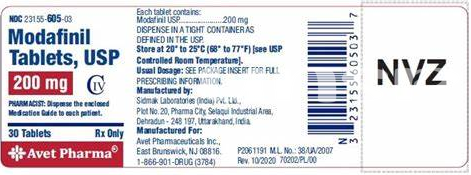
Several randomized controlled trials have explored low-dose modafinil in adults, often showing clearer benefits for vigilance and sleep-deprivation than for complex cognition in well-rested people.
Meta-analyses report small-to-moderate effects on attention and reaction time but highlight heterogeneity, short follow-up periods, and few studies using microdose regimens.
Open questions persist: long-term safety, tolerance, and real-world functional gains remain poorly characterized because most trials are acute or last weeks, not years.
Overall, controlled evidence suggests cautious optimism for short-term wakefulness and simple cognitive tasks, but it stops short of endorsing daily microdosing without larger, longer randomized studies and better safety monitoring. Regulatory caution and clear reporting of adverse events are essential until replication and dose-response data mature.
Practical Dosing Plans Titration and Monitoring Tips
Begin conservatively: many who microdose modafinil start at 50 mg to test sensitivity, observing sleep, mood, and appetite for a week before adjusting.
Increase slowly, for example by 50 mg increments weekly while tracking benefits and side effects in a simple log; prioritize baseline sleep, heart rate, and anxiety levels and pause if insomnia or rapid heart rate appears. Include cognitive performance ratings and briefly record context of use (work, study, exercise).
Consult a clinician before combining substances and schedule periodic reviews; typical microdosing aims for minimal effective dose rather than maximal wakefulness. Quick table below outlines a cautious titration example and monitoring points. Re-evaluate monthly and consider blood pressure checks if using longer-term regularly.
| Week | Dose | Monitoring |
|---|---|---|
| 1 | 50 mg | Sleep, mood |
| 2 | 50–100 mg | Heart rate, anxiety |
| 3+ | Adjust to effect | Monthly review |
Legal Ethical and Personal Risk Assessment Checklist
Before experimenting with low-dose modafinil, map your legal landscape: prescription laws, workplace drug policies, and travel restrictions. Consider medical contraindications and disclose use to your clinician; informed consent is not just ethical, it protects you. Frame benefits against the legal penalties and professional risks you might incur.
Ethically, weigh fairness and coercion: will enhanced alertness create competitive pressure on colleagues or lead to expectations of constant high performance? Reflect on equity, consent in team settings, and whether personal optimization undermines collective well-being. Keep transparent records of rationale and observed effects.
Personal risk assessment should include baseline health checks (cardiac, psychiatric), drug interactions, sleep hygiene, and a clear stop rule for adverse effects. Monitor mood, cognition, and dependency signals, and revisit decisions periodically with objective data and a healthcare partner. set measurable goals, carry out regular drug screenings, and document outcomes.