

 When to Stop Omnacortil: Withdrawal Guidance
Signals Your Body Shows before Stopping Steroids
Your body often whispers before you stop steroid treatment: creeping fatigue, lightheadedness, mood swings and trouble sleeping may appear or worsen. Small changes in appetite, muscle weakness, or joint stiffness can signal cortisol imbalance and the need to slow any reduction. Paying attention to daily energy patterns and unusual cravings gives practical clues; keep a simple diary of symptoms, sleep and weight to show trends rather than one-off episodes.
Recognizing these signs helps avoid abrupt withdrawal that can trigger adrenal insufficiency. If you notice worsening fatigue, persistent dizziness, low blood pressure, nausea, or fainting, consult your clinician promptly. Together you can plan a monitored taper or tests to check adrenal function. Early conversations prevent crises and preserve both recovery and control of the underlying condition. Keep communication honest, track symptoms, and seek urgent care for severe or worsening signs immediately.
| Signal | What to watch |
|---|---|
| Fatigue | New or worsening energy loss |
Why Abruptly Quitting Prednisolone Can Be Dangerous

After weeks on omnacortil, many patients describe feeling steadier—stiffness eased, sleep improved. Yet the body adapts to external steroids, reducing its own cortisol output. Stopping suddenly can catch that fragile balance off guard very quickly.
Without adequate cortisol, people may feel dizzy, weak, nauseous, or develop low blood pressure. Infections and stress become harder to withstand. These dangers aren’t hypothetical; they reflect the body’s loss of emergency hormone reserve capacity.
Even brief periods of abrupt withdrawal can precipitate an adrenal crisis in vulnerable people—elderly patients or those with chronic illness. Recognizing early warning signs and seeking urgent medical attention can be lifesaving and prevent complications.
Work with clinicians to taper safely; individualized plans consider dose, duration, and underlying diagnosis. Education about omnacortil dependence, written instructions, and a clear emergency plan reduce risk and give patients confidence during withdrawal with monitoring.
How to Taper Safely: Timelines and Dose Plans
When I first faced stopping omnacortil, my doctor sketched a plan that felt reassuring. It felt like a map through uncertain terrain.
Tapering usually stretches over weeks to months, reducing dose gradually to let adrenal function recover. Individual plans depend on dose, duration, and health.
Typical schedules drop by small fixed amounts or percentage steps, with slower reductions at low doses; symptoms guide pace.
Keep a symptom diary, attend follow ups, and never self-adjust. With careful timing and collaboration you lower risks and make withdrawal predictable. Call your doctor immediately.
Working with Your Doctor: Communication and Monitoring
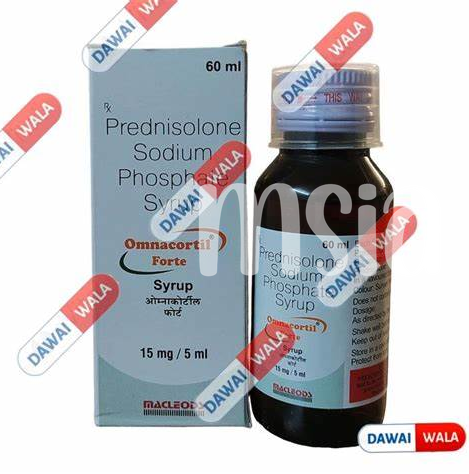
At appointments, describe recent omnacortil doses, symptoms and routines so your clinician has the picture. Ask about expected withdrawal signs, adrenal testing and an emergency plan, and bring a medication list, allergies, past steroid exposures and diary notes. Clear two‑way communication—confirm instructions back and request written taper steps—reduces error. If you notice worsening fatigue, dizziness or unexplained pain between visits, report promptly instead of waiting for the next scheduled appointment.
Monitor plans include periodic labs (morning cortisol, electrolytes), blood pressure and weight checks, bone health assessments and mood screening. Maintain a symptom log, use secure patient portals for updates, and schedule follow‑ups before leaving. Monitoring lets your team slow, pause or reverse the taper if adrenal suppression appears. Seek urgent care for fainting, severe weakness or low blood pressure; carry an alert card and know when to use emergency steroids.
Managing Withdrawal Symptoms with Lifestyle and Medications
I remember a patient describing the fog and fatigue that followed tapering, a reminder that withdrawal feels real. Gentle routines—consistent sleep, light exercise, and hydration—can ease symptoms while your body recalibrates.
Nutrition matters: balanced proteins, healthy fats, and steady carbohydrates support energy and adrenal recovery. Supplements like vitamin D, calcium, and cautious use of probiotics may help. Discuss omnacortil history with your clinician before adding pills.
Sometimes short-term medications are needed: pain relievers, anti-nausea agents, or temporary sleep aids can be part of a plan. Your doctor may prescribe replacement steroids or mineralocorticoid support if symptoms indicate hormonal insufficiency.
| Symptom | Action |
|---|---|
| Fatigue | Rest, light exercise |
| Pain | Short analgesic |
| Nausea | Hydration, antiemetic |
When Underlying Disease May Require Continued Treatment
Imagine symptoms returning as soon as doses end — some conditions need long term therapy to control inflammation and prevent damage. Stopping early can harm.
Autoimmune diseases, severe asthma, or organ transplants often require maintenance to avoid relapse or rejection. Examples: lupus flares, chronic COPD.
Decisions depend on disease activity, alternative treatments, and risk benefit discussions with specialists. Tests, imaging, and symptom tracking inform timing.
Your doctor may recommend slow taper, low dose therapy, or switch to steroid sparing agents — monitoring guides safest path. Shared decisions carefully weigh benefits and harms.