

 Zyprexa Vs Other Antipsychotics: Comparison Guide
How Zyprexa Measures Up: Efficacy Differences
Clinicians and patients often face a tradeoff between rapid symptom relief and long-term tolerability, and olanzapine frequently appears near the top for acute efficacy. In trials it reduced positive and negative psychotic symptoms reliably, sometimes outperforming several other second‑generation agents on symptom scales and relapse prevention. The dramatic clinical anecdotes—patients who stabilize quickly after switching to olanzapine—mirror many randomized findings, though response variability remains.
Decisions should weigh those efficacy benefits against metabolic and weight risks: while olanzapine's effect size for core psychosis outcomes can be higher, pooled data show greater mean weight gain and dyslipidemia versus many comparators. For an individual, history of cardiometabolic disease, functional priorities, and adherence patterns guide choice more than headline efficacy alone. Shared decision making, careful baseline assessment, and early monitoring optimize outcomes when a potent antipsychotic is chosen and individualized dosing strategies where appropriate.
Side Effects Showdown: Weight, Metabolic, Movement Risks
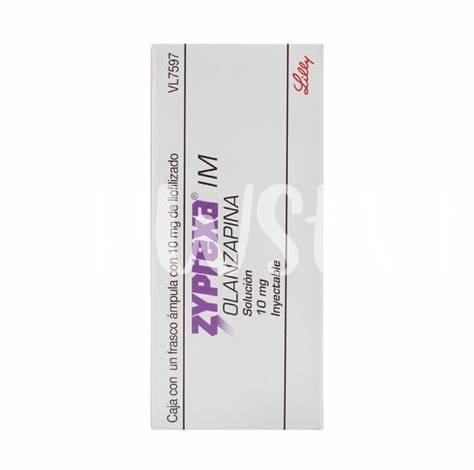
Clinicians wrestle with trade-offs: zyprexa often eases psychosis but brings pronounced weight gain that reshapes patients' lives and risk profiles.
Metabolic effects such as glucose dysregulation and lipid shifts are more common with some atypicals; monitoring and early lifestyle support matter.
Movement disorders are less frequent with many newer agents, yet akathisia and parkinsonism still appear and require dose adjustments.
Shared strategies include baseline labs, periodic weight checks, informed consent, and switching when necessary to balance benefits and harms, keeping treatment personalized and tolerable with patient and clinician input regularly.
Mechanisms Explained: Olanzapine Versus Other Classes
Olanzapine, marketed as zyprexa, often feels like a broad-spectrum key, locking multiple receptors. Its strong dopamine D2 and serotonin 5-HT2A antagonism underlies antipsychotic effects and symptom control.
Compared with first-generation agents, olanzapine has relatively lower extrapyramidal risk but higher affinity for histamine H1, muscarinic, and adrenergic receptors, which explains sedation and metabolic side effects.
Atypical peers like risperidone and quetiapine differ in receptor balance: risperidone is more D2 selective, quetiapine weaker at D2 but with active metabolites affecting mood and sleep.
Understanding these pharmacologic fingerprints helps clinicians match drug profiles to patient needs: balancing efficacy, tolerability, and side effect risks while guiding monitoring and informed consent for treatments with zyprexa and supporting long-term recovery goals through shared decision-making.
Dosing, Formulations, and Practical Administration Differences
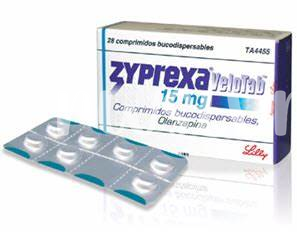
In clinic, dose choices blend science and patient life: zyprexa is available as standard tablets and an orally disintegrating formulation, letting clinicians adapt when swallowing or adherence is an issue. Typical starting doses are 5–10 mg daily, adjustable within a wider 2.5–20 mg range depending on symptom control and tolerability. Oral formulations allow straightforward titration, rapid effect assessment, and easier discontinuation compared with depot strategies. Shared decision making remains essential.
Long‑acting injectable options change the rhythm of care: injection intervals across antipsychotics span biweekly to quarterly, and some agents need oral overlap or loading doses while others do not. Olanzapine’s depot requires post‑injection observation because of rare severe sedation, influencing where injections can be given. Practical administration decisions balance dosing flexibility, monitoring burden, clinic capacity, and patient preference to maximize adherence and safety and reduce emergency visits when effective too.
Safety, Monitoring Needs, and Long-term Outcomes
Clinicians weigh immediate risks and lifetime trajectories when choosing antipsychotics. With zyprexa, short-term sedation and pronounced metabolic changes demand proactive baseline screening: weight, fasting glucose, lipids, and blood pressure. Early conversations about risks, lifestyle interventions, and a structured follow-up schedule improve safety, encourage adherence, and help patients stay engaged with treatment plans.
Over the long term, vigilance for cardiometabolic shifts, tardive movement disorders, cognitive changes, and overall functional outcomes informs whether to continue, adjust, or switch medications. Documented informed consent, regular metabolic panels, weight checks, electrocardiograms when indicated, and standardized movement scales build an evidence-based safety net. Coordinated care with primary providers, pharmacists, and psychosocial supports reduces surprises, addresses comorbidities, and preserves quality of life, increasing the odds that therapeutic gains remain durable across years. Individual risk profiles should guide frequency and intensity of monitoring over the treatment course regularly.
| Monitor | Suggested frequency |
|---|---|
| Weight/BMI | Baseline, monthly ×3, then quarterly |
| Fasting glucose & lipids | Baseline, 3 months, annually |
| Movement (AIMS) | Baseline, 6–12 months, or if symptoms arise |
Cost, Access, Adherence: Real-world Treatment Considerations
Patients often face sticker shock when choosing antipsychotics; brand names cost more, generics lower out-of-pocket expense, and formularies shift. Insurance tiers, copays, and pharmacy benefit changes shape practical affordability and initial drug selection for patients.
Access can hinge on prior authorization hurdles, step therapy protocols, and the need for specialty pharmacies. Rural clinics may lack depot injection services, while urban centers provide more options, creating uneven real-world availability and delays.
Adherence is shaped by side-effect burden, daily pill schedules, and monitoring appointments. High copays or complex regimens undermine persistence, whereas simpler dosing, financial assistance, and long-acting injectable options often improve continuity of treatment in practice.
Clinicians must weigh efficacy against side effects, metabolic risk, and patient finances when recommending therapy. Shared decision-making, referrals to assistance programs, proactive metabolic monitoring, and scheduled follow-up strengthen adherence and long-term outcomes across diverse settings.